
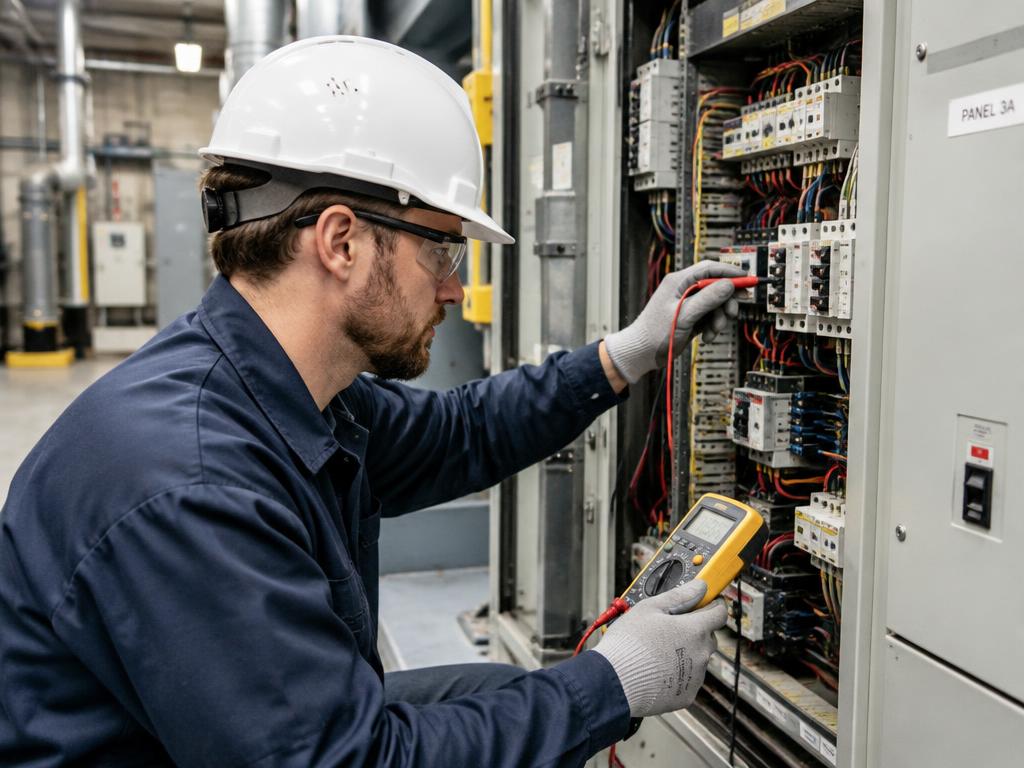
Electrical installation certification is the documented confirmation that wiring work has been designed, inspected and tested to the applicable standards. It matters because certification is what links the work actually done on site to the safety requirements that apply to it, and it is usually required at completion of new installations, alterations and additions.
What the Certificate Covers
A certificate for an electrical installation typically records the nature of the work, details of the inspection and the results of testing. The tests commonly associated with certification include continuity of protective conductors, insulation resistance, polarity, earth fault loop impedance and the operation of protective devices. Together, these confirm that the installation is safe to energise and that its protective measures work as intended.
When Certification Is Typically Required
Requirements depend on the jurisdiction and the type of work, but certification is commonly expected in these situations:
- A new electrical installation, from a single building to a full plant distribution system
- An alteration or addition to an existing installation, such as a new circuit or distribution board
- Work that must be handed over to a client, insurer, landlord or authority as proof of compliance
- A change of use or sale where documented evidence of the installation's condition is requested
In South Africa, for example, electrical work is regulated under the Occupational Health and Safety Act and its electrical installation regulations, and a certificate of compliance is generally required when an installation is erected, extended or altered, and in connection with the sale or transfer of property where the regulations apply. The wiring standard most commonly used is SANS 10142-1. Because duties differ by country, region and installation type, always confirm the exact requirements for your project with a suitably authorised professional.
Who Can Issue Certification
Certification must come from a person legally authorised to inspect, test and sign off the work in the relevant jurisdiction. In South Africa this is typically an electrician registered under the Electrical Installation Regulations as an authorised person, sometimes with further sign-off requirements depending on the nature of the installation. Engineering consultants can support the process by designing the installation, preparing documentation, coordinating inspection and reviewing test results, but the statutory sign-off rests with the authorised person.
Why Documentation Matters Beyond Compliance
Certification records are valuable long after handover. They give future maintenance teams a verified baseline, support insurance and audit processes, and prevent disputes about the condition of an installation at a known date. Keeping certificates with as-built drawings and test results builds a complete history of the installation.
In Summary
Certification is required whenever electrical work must be shown to be safe and compliant, and it is issued by authorised professionals after inspection and testing. If you are planning electrical work and need design or documentation support around the certification process, our electrical engineering team can assist.
Related services
Related articles

What Information Should You Prepare Before Requesting an Engineering Quotation?
Clear background information leads to faster, more accurate quotations. Learn what to gather before requesting an engineering quotation.

What Is Included in Engineering Design and Technical Documentation?
Engineering design deliverables range from concept sketches to full drawing packages. Learn what a typical documentation set includes.