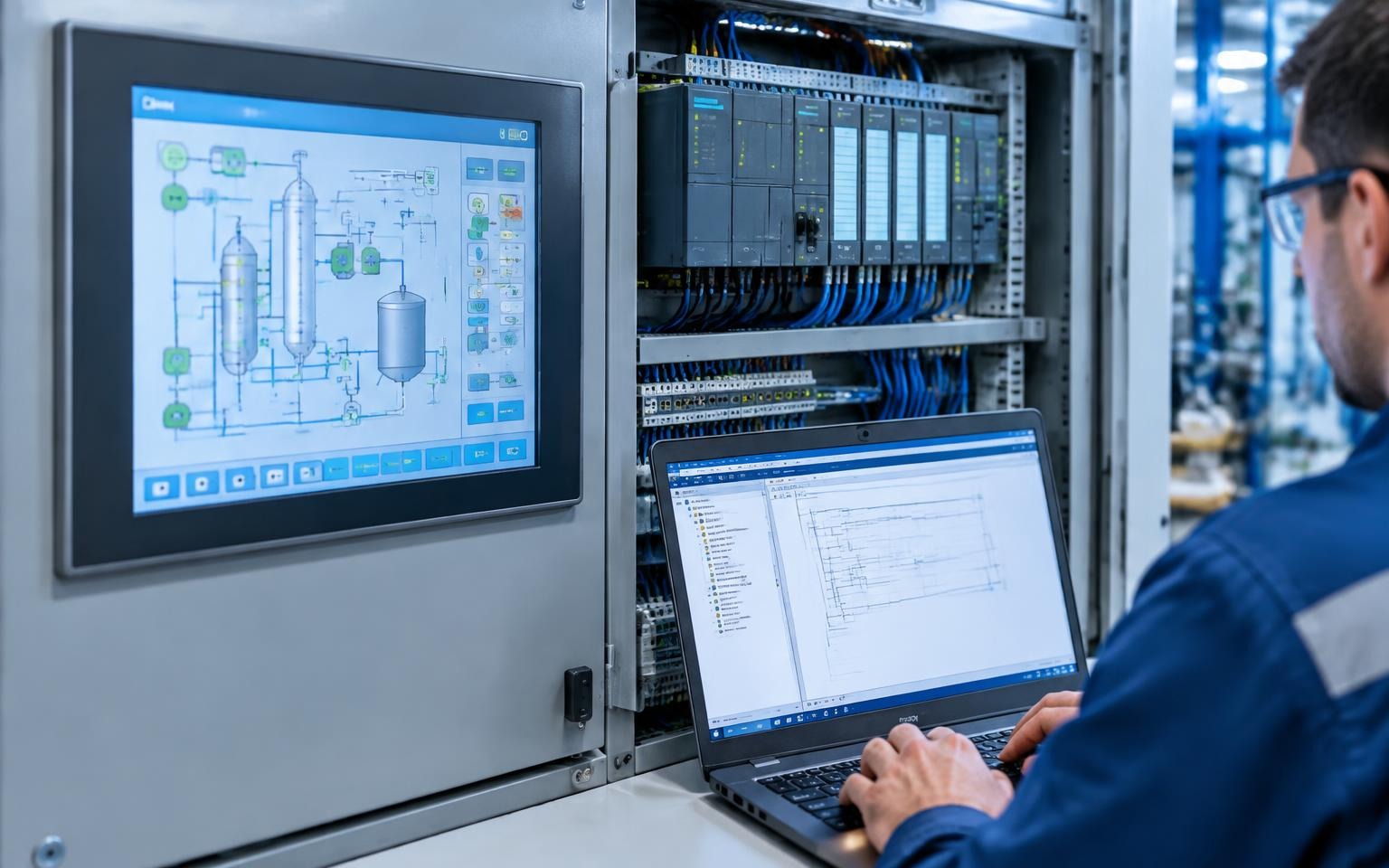
Instrumentation and controls are closely related and often grouped together as C&I, but they answer different questions. Instrumentation asks: what is the process doing right now? Controls ask: what should the process do about it? Understanding the split helps you specify work, assign responsibility and diagnose problems.
Instrumentation: Measurement
Instrumentation is the discipline of sensing. It covers the devices that measure pressure, temperature, flow, level and other variables, and everything that makes those measurements usable: transmitters, impulse lines, fittings, cabling and signal conditioning. Instrumentation work concentrates on selecting the right device for the service, installing it so it measures correctly, and keeping it accurate through calibration.
Controls: Decision and Action
Controls engineering takes those measurements and decides what to do. It covers control loops, logic, sequencing and interlocks, usually implemented in PLCs and distributed control systems, together with the actuators that carry out the decisions: control valves, variable speed drives and motor starters. Controls work concentrates on the control philosophy, loop tuning, logic design and the behaviour of the system as a whole.
Where They Meet
The two disciplines meet in the control loop. A loop contains:
- A measurement: the instrument and its signal
- A decision: the controller comparing measurement with setpoint
- An action: the valve, drive or heater changing the process
If a loop performs badly, the cause can sit anywhere in that chain: a drifted transmitter, a mistuned controller or an oversized valve. Diagnosing it well requires both disciplines, which is why they are usually procured together.
Practical Consequences of the Difference
- Instrument work is often field-based and periodic: installation, calibration, inspection
- Controls work is often desk and panel-based: programming, configuration, testing
- Instrument faults usually show up as wrong values; control faults as wrong behaviour
- Standards and documentation differ: instrument datasheets and loops versus logic narratives and functional specifications
Why the Terms Get Confused
The confusion is understandable: modern transmitters contain microprocessors with configuration, and controllers sit inside the same cabinets as field devices. In practice, most projects treat C&I as one engineering scope with two areas of specialisation inside it.
In Summary
Instrumentation measures the process, controls decide and act on it, and every good control loop needs both done well. If you need support across measurement and control, our controls and instrumentation team covers the full loop.
Related services
Related articles
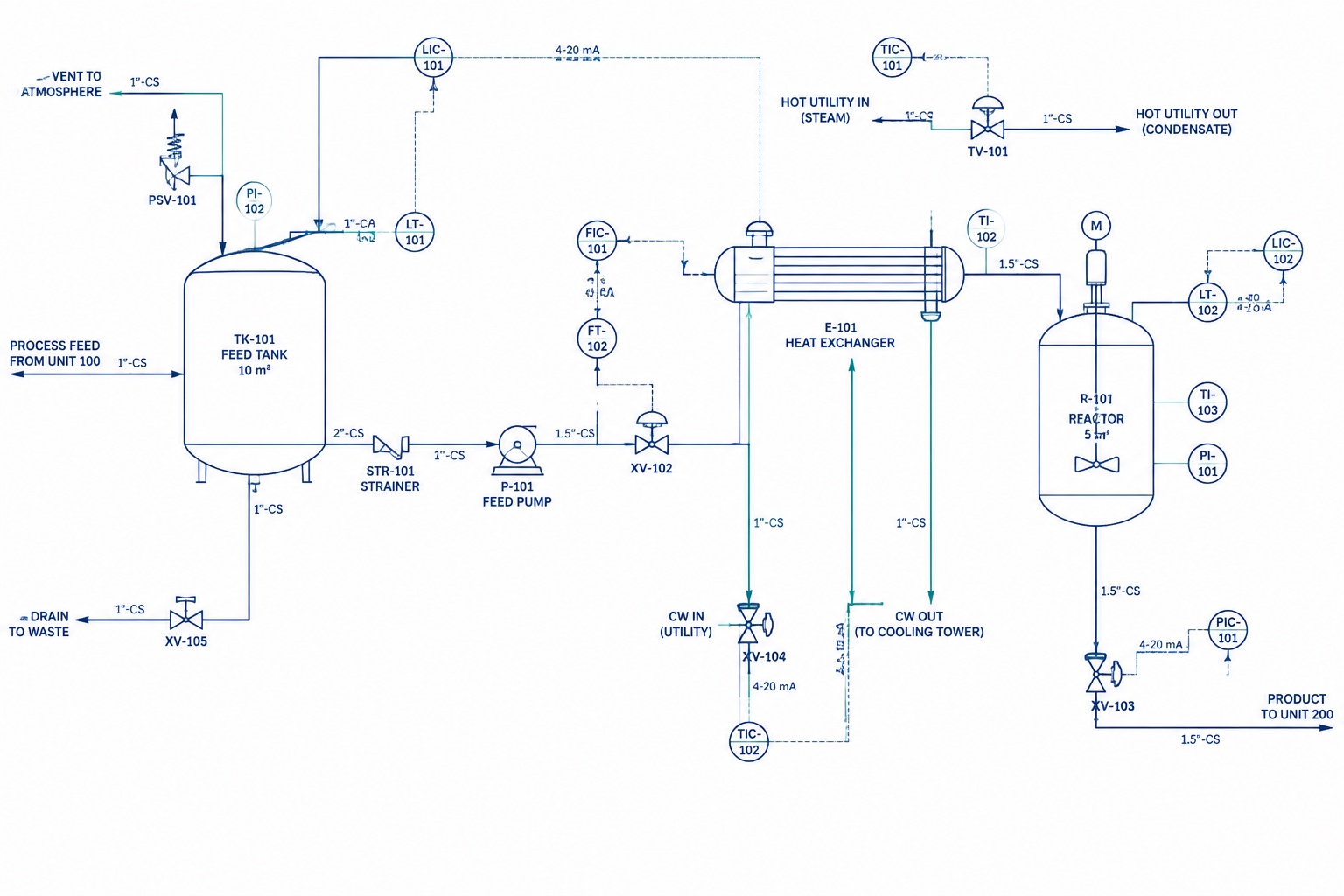
What Is a Piping and Instrumentation Diagram, and How Is It Used?
A piping and instrumentation diagram maps every pipe, valve and instrument in a process system. Learn how to read one and where it is used.
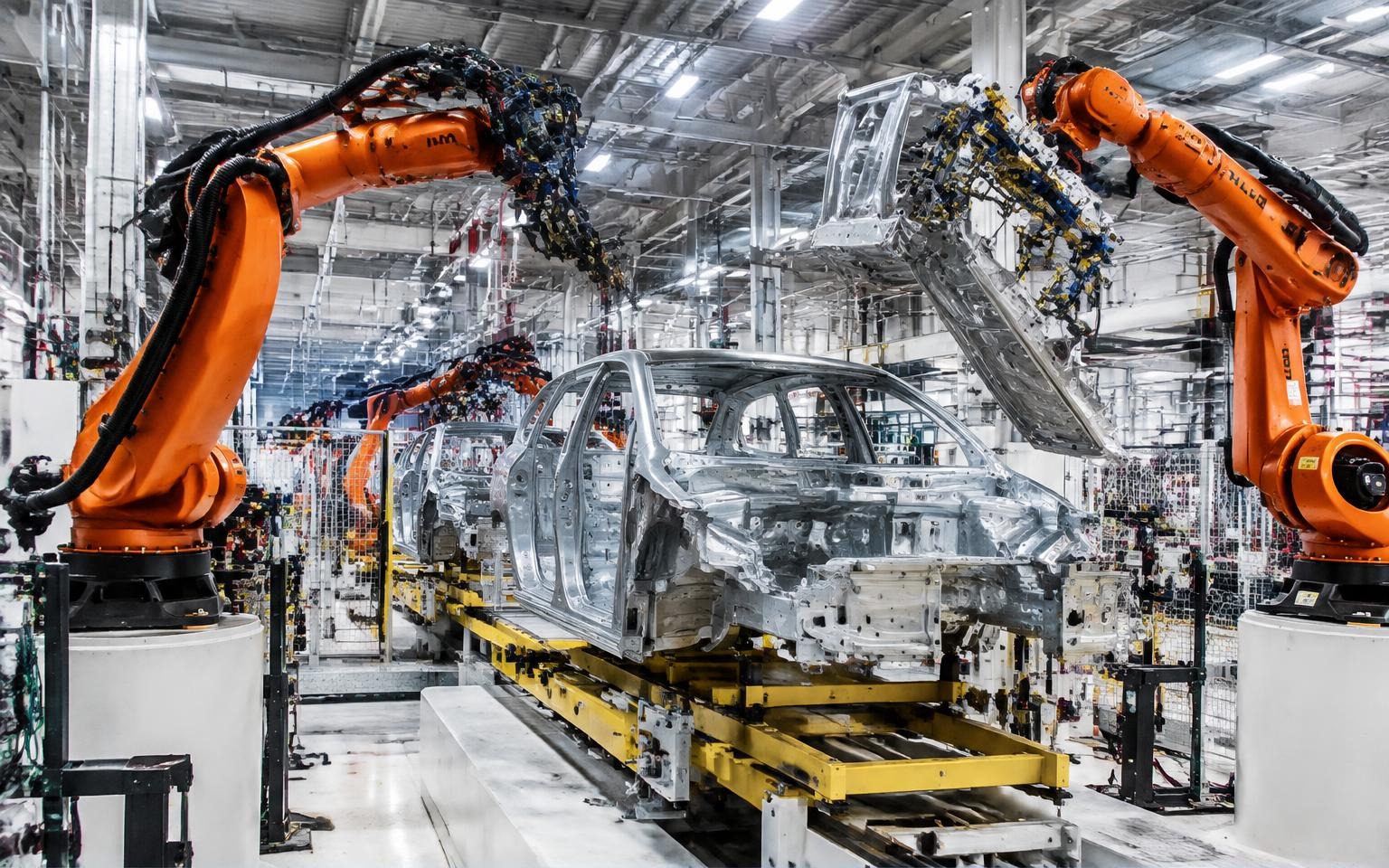
How Do Industrial Automation Systems Improve Process Control?
Automated control keeps processes consistent, efficient and safe. Learn how automation systems improve process control in practice.