
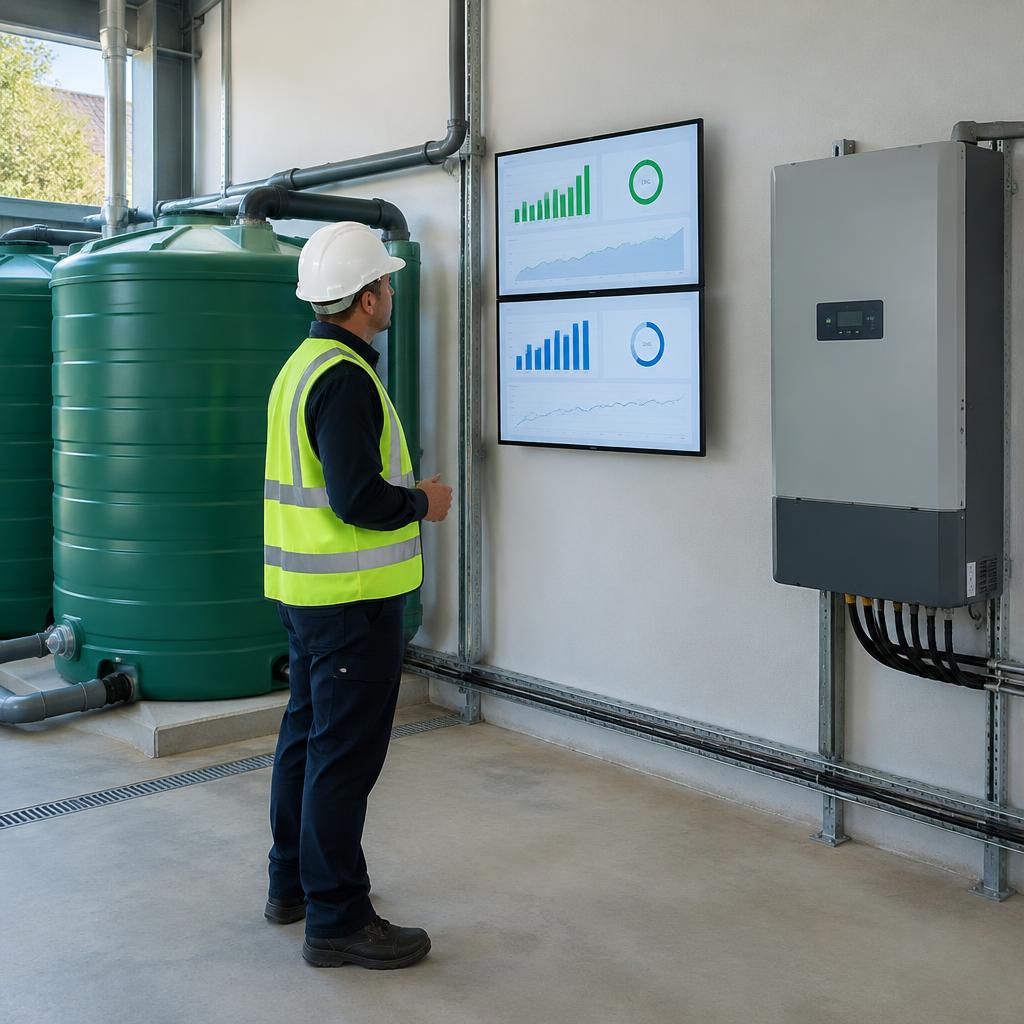
Most of a facility's resource consumption is decided at the design stage. The pumps chosen, the pipe routes drawn, the controls specified and the drainage philosophy adopted will fix how much energy, water and material the facility uses for its whole life. That is why resource efficiency is a design question first and an operations question second.
Efficient Choices at the Equipment Level
Every piece of mechanically driven equipment is a lifetime energy purchase. A motor or pump that is oversized, badly matched to its duty or throttled inefficiently wastes energy continuously. Design that considers:
- Right-sizing equipment for the real duty, not just the worst case
- Efficient part-load operation, since most systems run away from their design point most of the time
- Lower-friction pipework routes and layouts that reduce pumping and fan energy
- Heat recovery where process heat is otherwise rejected
each adds modestly at purchase and repays continuously in running cost.
Controls That Use Only What Is Needed
Automation is a resource efficiency tool. Variable speed drives that match pump and fan output to demand, lighting and HVAC scheduled to occupancy, and shutdown sequences that stop idling equipment all cut consumption without reducing performance. The monitoring that comes with modern controls also makes consumption visible, which is the first step to managing it.
Water Efficiency and Reuse
Water can be designed as a cycle rather than a one-way flow. Rainwater harvesting, process water reuse for washdown or irrigation, and drainage designs that separate clean and contaminated streams all reduce potable demand and discharge volumes. Planning these together with the drainage system, as described in our drainage article, keeps the cost of integration low.
Materials: Less, Better, Longer
Resource efficiency also covers materials. Efficient structural layouts use less material for the same strength. Durable, maintainable selections extend replacement intervals. Designing for access and maintainability prevents early replacement of entire assemblies because one component failed. Each is a design decision, made on the drawing before it is ever made on site.
Making Efficiency Measurable
Efficiency claims should be verifiable. Metering energy and water by area or process, recording design assumptions in the documentation, and comparing actual consumption with the design basis turns sustainability from a statement into a managed number. It also identifies drift: consumption that creeps upward usually points to a control or maintenance issue worth finding.
In Summary
Resource efficiency is built in: efficient equipment, smart controls, water reuse, sensible material choices and measurement that keeps it all honest. If you want these principles applied to your project, our design team would be glad to discuss it.
Related services
Related articles
What Should You Consider When Planning an Industrial Drainage System?
Good drainage design protects buildings, land and operations from water damage. Learn what to consider before starting a drainage project.
How Do Industrial Automation Systems Improve Process Control?
Automated control keeps processes consistent, efficient and safe. Learn how automation systems improve process control in practice.