
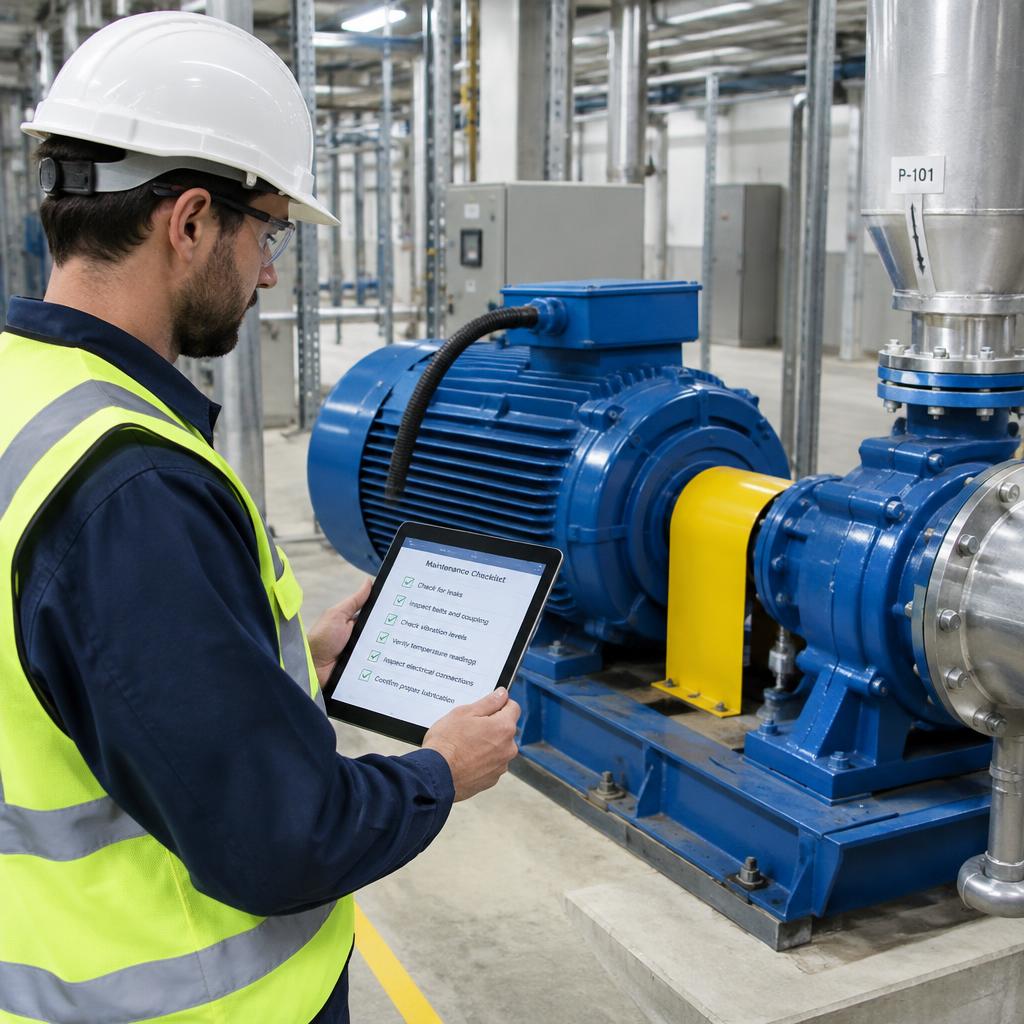
Preventive maintenance is the scheduled inspection, servicing and testing of equipment to keep it working reliably, instead of waiting for it to fail. It matters because in most industrial and building environments the cost of a failure, in downtime, damage and safety exposure, far exceeds the cost of preventing it.
The Cost Curve of Failure
Faults develop gradually: a bearing wears, a seal weeps, a calibration drifts. Caught early, the fix is small and planned. Caught late, the same fault can stop production, damage adjacent equipment and demand emergency labour at inconvenient hours. Preventive maintenance deliberately moves work to the cheap end of that curve.
What Preventive Maintenance Includes
- Routine inspections: visual checks, vibration, temperature, noise and leaks
- Servicing: lubrication, filter changes, fastener checks and wear replacement
- Testing: protective devices, emergency systems and backup equipment
- Calibration: instruments and measurements verified against references
- Housekeeping: cleanliness that also reveals developing problems
The exact mix depends on the equipment, its duty and the manufacturer's guidance, and it should be adjusted based on what inspections actually find over time.
Benefits Beyond Avoiding Breakdowns
- Longer equipment life, because wear is managed rather than accumulated
- Safer operation, because protective devices are proven to work
- Predictable budgets, since planned work is cheaper than emergency work
- Better planning, because inspections generate early warnings you can schedule around
- Compliance support, because many statutory inspections are, in effect, preventive maintenance
Structuring a Programme
A workable programme has four parts: an asset list with the criticality of each item, a schedule of tasks and intervals, clear task descriptions so work is done consistently, and records of what was found and done. Start simple and prioritise critical assets; a programme that covers the important equipment well beats an ambitious one that never gets finished.
Reactive Maintenance Still Has a Place
No programme eliminates failures entirely. The goal is to choose deliberately which equipment may run to failure, such as low-value non-critical items, and which must never do so. Preventive maintenance is how that choice is honoured.
In Summary
Preventive maintenance trades small, planned costs for large, unplanned ones, and it keeps equipment safe, reliable and predictable. If you want help setting up or strengthening a maintenance programme, our maintenance team can assist.
Related services
Related articles
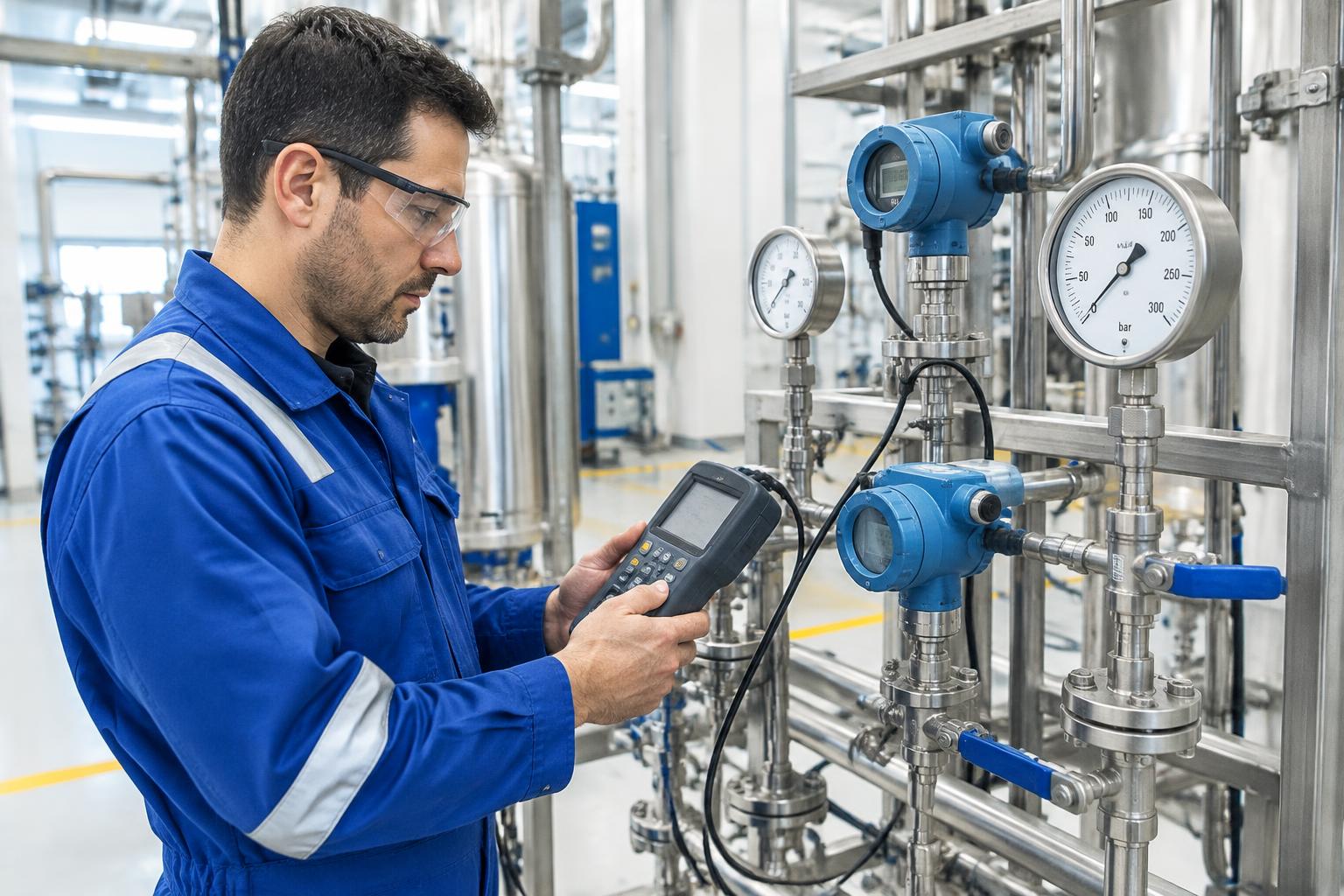
Planning Instrumentation Maintenance
A planned approach to instrumentation maintenance keeps measurements accurate and processes stable. Here is what a sensible plan covers.
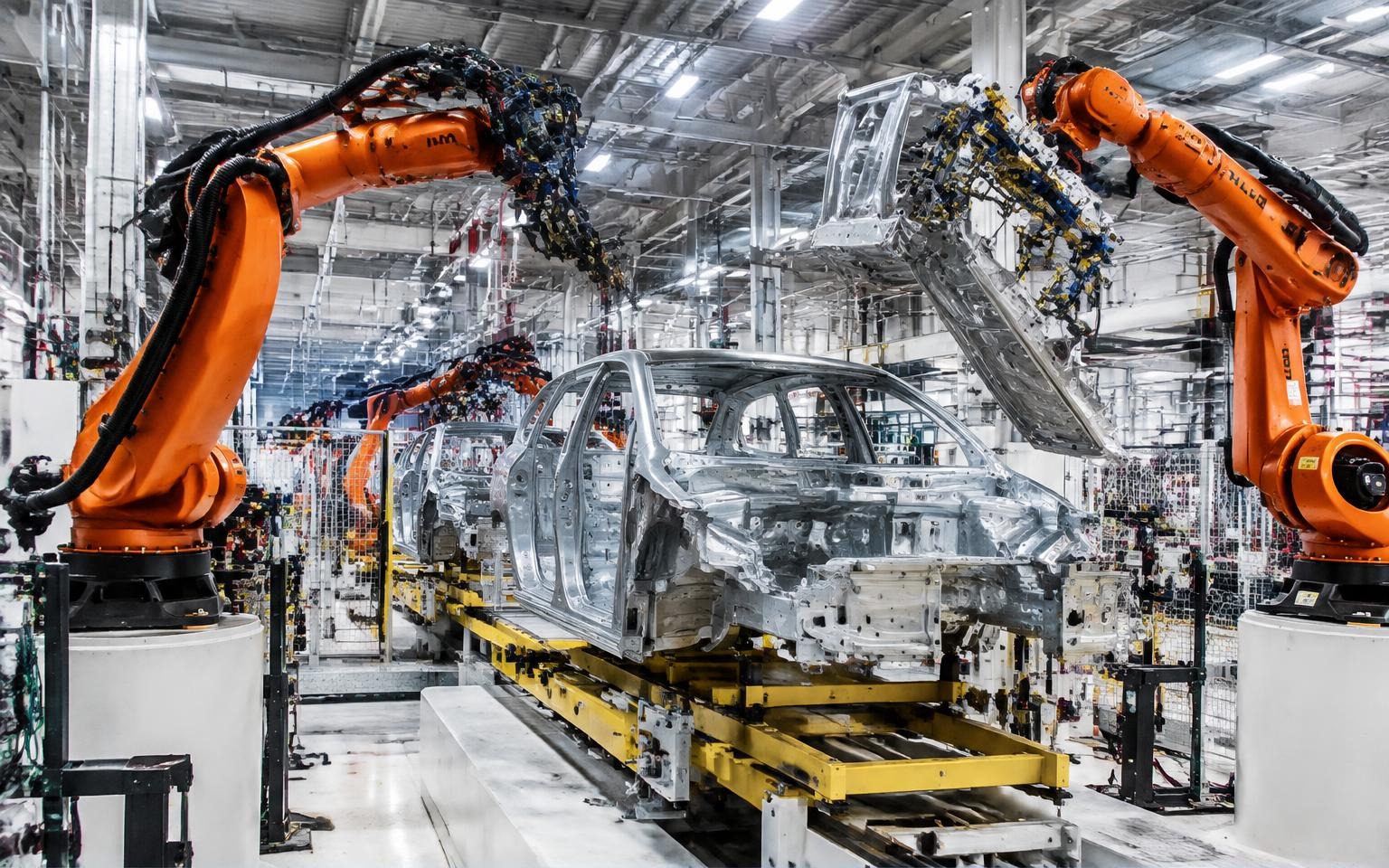
How Do Industrial Automation Systems Improve Process Control?
Automated control keeps processes consistent, efficient and safe. Learn how automation systems improve process control in practice.